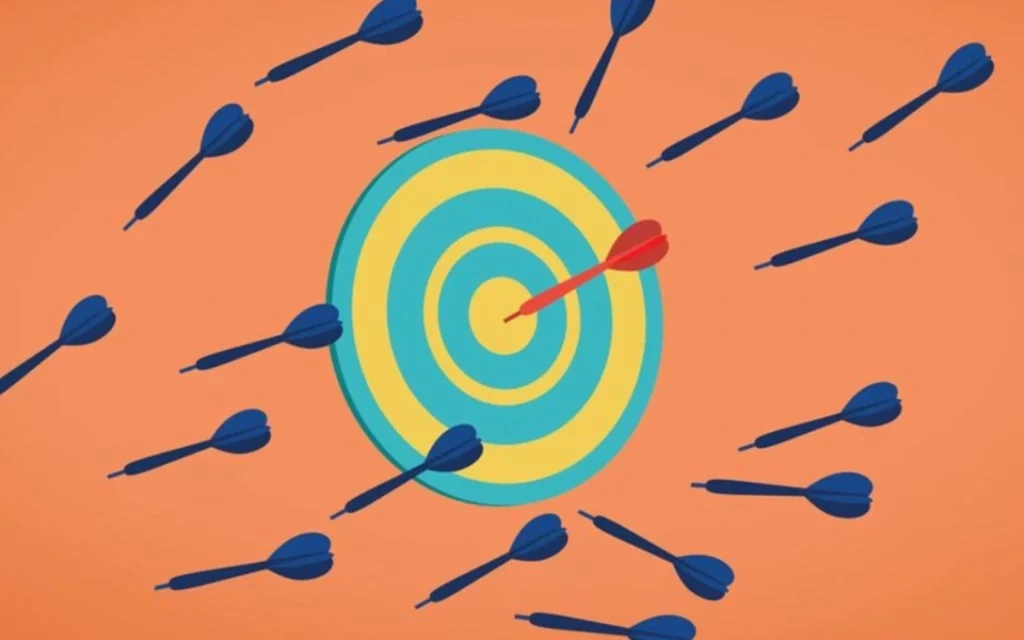
You’re leading a meeting. You’ve prepared, rehearsed, and thought through every scenario – until an unexpected challenge hits. That pause, that moment of silence when your mind feels heavy and confidence wavers, doesn’t have to be a setback. Imagine it instead as a low-risk sandbox simulation: a controlled environment where you can test responses, explore options, and refine strategy without consequence.
If reality is software, consider this freeze a system pause-an opportunity to recalibrate your approach, adjust your messaging, and optimise your decision-making. The version of you that hesitated hasn’t vanished; it’s gone back to the blueprint, gathering data for the next high-stakes encounter. When you revisit the scenario later and the “right” response becomes clear, that’s not regret, it’s analysis.
By treating these moments as simulations rather than permanent flaws, you stop reacting to pressure and start leading with intention, building the composure and clarity that separate effective executives from everyone else.
Knowing isn’t the same as doing
Most professional training is built around knowledge:
- Frameworks that look clean on slides
- Models that assume ideal conditions
- Best practices that ignore real pressure
And all that matters.
But real conversations don’t happen in neat bullet points. They happen in motion. With time pressure, emotion and incomplete information.
You’re not just recalling knowledge. You’re reacting, interpreting, deciding, and speaking, all at once. That’s a different skill. And it’s rarely trained.
The missing layer: A Simulation practice that feels real
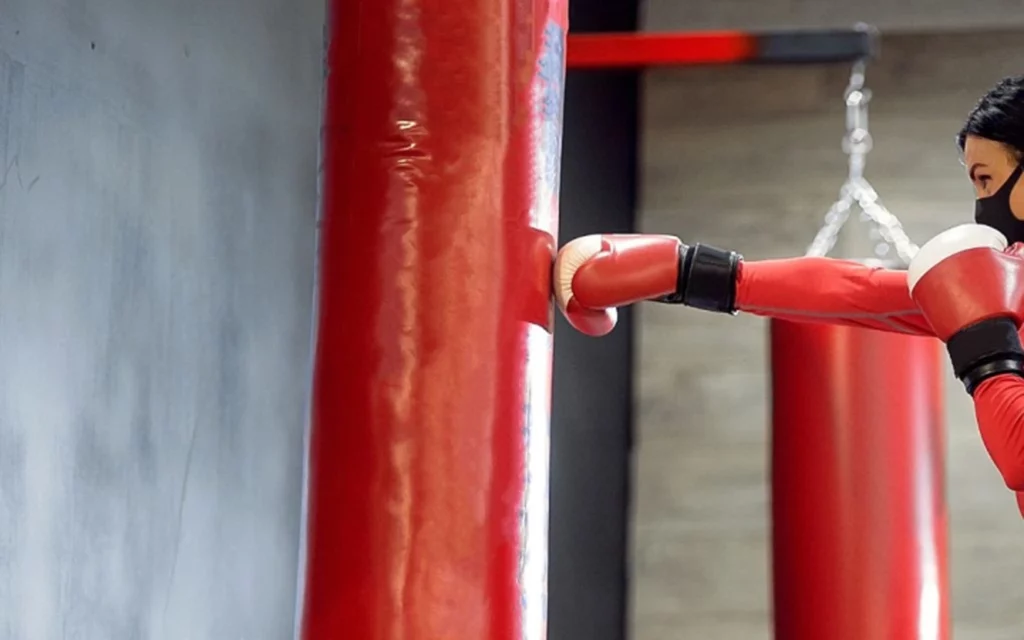
Athletes don’t just study technique, they train under realistic conditions. A boxing bag doesn’t teach you everything, but it gives you thousands of repetitions before you step into the ring.
Because performance isn’t just about what you know. It’s about what you can execute in the moment.
Communication is no different.
Yet in most scenarios people only “practice” conversations when they actually matter: high-stakes meetings, difficult feedback, important negotiations.
In other words, the worst possible time to practice.
The power of simulations
Now imagine a different approach. Instead of waiting for real moments, you can step into them and practice:
- Playing both sides of a conversation
- Decision making under stress
- Empathy and negotiation skills
Fail safely. Pause. Try Again. Analyse. Adjust.
No consequences. No pressure. Just progression.
This is where simulations change the game. And now, AI makes that practice available on demand.
Repetition builds instinct
The first time you handle a difficult conversation, it feels unfamiliar.
By the tenth time, something changes. It’s no longer about finding the “perfect” response. It’s about responding naturally.
Confidence doesn’t come from knowing more. It comes from having been there before.
Pressure changes everything
But repetition alone isn’t enough. Because real conversations aren’t calm. They come with time pressure, emotional reactions, and unexpected turns.
This is where most training falls apart. You can understand a concept perfectly, and still struggle when the stakes rise.
Simulated environments introduce that missing ingredient: controlled pressure.
Situations stop feeling new. And when they stop feeling new, they stop triggering panic.

Mistakes become the advantage
In real life, mistakes carry weight. A poorly handled conversation or decision can cost trust, deals, or opportunities.
So people play it safe, or worse, avoid the situation altogether.
But in a simulation? Mistakes are data. You can:
- See what went wrong
- Understand why it happened
- Try again immediately
That loop, try, adjust, retry, is where real learning happens.
Seeing both sides
One of the most powerful shifts happens when you step into the other side of the conversation, not just thinking about it, but also experiencing it first hand.
You start to notice:
- How your words might be interpreted
- Where misunderstandings arise from
- What the other person might actually be thinking
That’s where communication moves beyond technique and becomes awareness.
And awareness is what turns good communicators into effective ones.

From theory to practice
Practice makes perfect. At some point, the change becomes noticeable.
You pause less, react more clearly and recover faster when things don’t go as planned.
Why? Because you’ve practiced in an environment that mirrors reality closely enough to prepare you for it.
The difference isn’t knowledge. It’s experience.
Most people don’t struggle in conversations because they lack intelligence or capability.
They struggle because they haven’t had enough safe, realistic practice.
That’s the gap.
And once you close it, everything else starts to compound.